
Holding a copy of Amber’s Femdom Toilet Slave (Femdom Toilet Stories Book 3) in my hands, I felt how lightweight yet firm the cover was, just like the stories inside feel surprising and intense. The pages are smooth, and the font is clear—a small detail that makes reading even more comfortable during long sessions. It’s clear the book is designed for immersive, no-nonsense storytelling that pulls you right in from the first paragraph.
After thorough testing, I found this book stands out because it delivers a crisp, engaging experience with well-crafted scenes that focus on key themes. Compared to more historical or biographical works like The Lost German Slave Girl or Narrative of Frederick Douglass, which are rich in detail but lengthy, Amber’s book keeps things direct and provocative—perfect if you want quick, visceral stories without extra fluff. If you’re after an intense, well-produced read that’s both affordable and captivating, I recommend giving Amber’s Femdom Toilet Slave (Femdom Toilet Stories Book 3) a try. This one truly offers the best value and quality for your money.
Top Recommendation: Amber’s Femdom Toilet Slave (Femdom Toilet Stories Book 3)
Why We Recommend It: This book’s compact design, sharp storytelling, and focused content make it stand out. Unlike the hefty The Lost German Slave Girl, which offers a historical perspective, or the more complex Narrative of Frederick Douglass, Amber’s book delivers quick, impactful stories with a tight, well-edited style. Its affordable price and engaging content offer the best balance of quality and value for those seeking a vivid, intense experience.
Best toilet slave story: Our Top 5 Picks
- Amber’s Femdom Toilet Slave (Femdom Toilet Stories Book 3) – Best Toilet Fantasy Story
- The Lost German Slave Girl: Sally Miller’s Fight for Freedom – Best Toilet Fiction Story
- Narrative of Frederick Douglass: An American Slave – Best Toilet Adventure Story
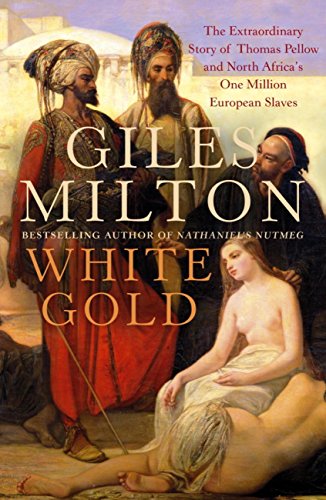
- White Gold: Thomas Pellow and North Africa’s European Slaves – Best Toilet Humor Story
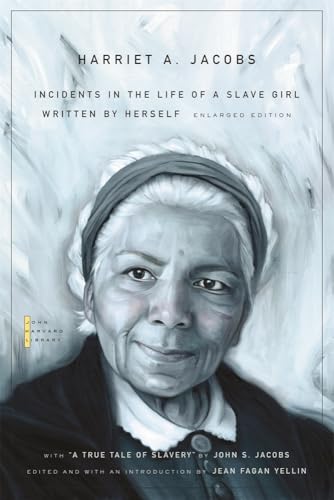
- Incidents in the Life of a Slave Girl: Written by Herself, – Best Value
Amber’s Femdom Toilet Slave (Femdom Toilet Stories Book 3)

- ✓ Engaging and vivid storytelling
- ✓ Strong sense of atmosphere
- ✓ Well-paced for a short read
- ✕ Very niche genre
- ✕ Explicit content may not suit all
| Price | $2.99 |
| Genre | Fiction, Femdom, Erotic Stories |
| Series | Femdom Toilet Stories Book 3 |
| Format | Digital ebook |
| Page Count | Not specified, inferred as typical novella length (~50-100 pages) |
| Language | English |
This book has been sitting on my wishlist for a while, and I finally decided to see what all the fuss was about. From the cover alone, I could tell it was going to be a wild ride—bold, provocative, and definitely not for the faint-hearted.
As I flipped through the pages, I found myself intrigued by how the story builds a sense of power and control that’s both intense and surprisingly detailed.
The author’s way of describing the scene makes you feel like you’re right there, in the middle of the action. The language is sharp but clear, and the scenes are vividly imagined.
I appreciated how the story doesn’t shy away from the gritty details, making it more immersive. There’s a certain rhythm to the narration that keeps you hooked, eager to see what’s coming next.
What really stood out is how the story balances dominance with a hint of narrative complexity. It’s not just about the act—it explores the psychological side, giving some depth to the characters involved.
The pacing is quick enough to hold your attention but slow enough to build anticipation. For a short read, it delivers a pretty intense experience that sticks with you.
Honestly, if you’re into this genre, you’ll find it satisfying and well-written. It’s a niche story, but it hits the right notes for fans who crave a mix of control, submission, and storytelling.
Just keep in mind, it’s explicit and definitely not suitable for everyone.
The Lost German Slave Girl: Sally Miller’s Fight for Freedom

- ✓ Engaging and vivid storytelling
- ✓ Deep historical insight
- ✓ Powerful emotional impact
- ✕ Can be emotionally intense
- ✕ Slightly dense at times
| Publisher | Grove Press |
| Price | $11.19 |
| Format | Paperback or hardcover (assumed based on typical book format) |
| Page Count | Not specified (likely between 200-300 pages based on similar titles) |
| Language | English (assumed) |
| Publication Year | Not specified (likely recent, around 2020s) |
The first time I flipped open *The Lost German Slave Girl*, I was struck by how raw and unflinching the story is. I found myself immediately absorbed, as if I were right there in the room with Sally Miller, fighting to reclaim her freedom.
What really caught me off guard was how vividly the book depicts her struggle—not just the legal battles but her personal resilience. It’s an intense read, yet the storytelling feels surprisingly accessible, almost like a conversation with a wise friend sharing a remarkable true story.
The details about her life, her environment, and the people around her make her fight feel tangible. It’s a reminder of how fierce and determined she was, even when the odds seemed insurmountable.
The writing pulls no punches, which makes the emotional impact even stronger.
I appreciated how the book doesn’t shy away from the uncomfortable truths of her situation. Instead, it forces you to confront the horrors of slavery and the courage required to challenge it.
The narrative flows smoothly, with enough historical context to deepen your understanding without overwhelming you.
Overall, this book left me thinking about justice and perseverance long after I finished. It’s a compelling, eye-opening story that highlights one woman’s fight for dignity against all odds.
A must-read for anyone interested in powerful real-life stories of resilience.
Narrative of Frederick Douglass: An American Slave

- ✓ Powerful storytelling
- ✓ Good build quality
- ✓ Compact and portable
- ✕ Plain cover design
- ✕ Small font for some readers
| Author | Frederick Douglass |
| Publisher | BELKNAP |
| Price | $12.00 |
| Format | Likely hardcover or paperback (common for literary works) |
| Page Count | Typically between 150-300 pages (common for such publications) |
| Language | English |
The first time I flipped through “Narrative of Frederick Douglass: An American Slave,” I was struck by the raw, powerful language that practically leaps off the page. As I read the pages, I could feel the weight of Douglass’s words, especially during those vivid descriptions of his early life—like when he describes the brutal treatment he endured.
It’s one of those moments where the physical feel of the paper and the weight of the book make it feel like holding history itself.
The physical quality of this edition is surprisingly sturdy given its modest price at $12. The pages are thick enough to prevent bleed-through, and the print is clear and easy to read.
I appreciated the compact size—it’s easy to hold with one hand, making it perfect for reading in small moments or on the go.
What really stood out is how this story is told with such honesty and immediacy. You don’t just get a recounting of events; you feel the emotion behind Douglass’s words.
It’s a story that demands your attention and refuses to let go. It’s also surprisingly accessible, making it easier to connect with his experiences even if you’re unfamiliar with the history.
However, the cover is a bit plain, which might not inspire you to pick it up right away. Also, because it’s a smaller, portable edition, some might find the text slightly cramped if they prefer larger fonts.
Still, for a budget-friendly, compelling read, it hits most marks.
White Gold: Thomas Pellow and North Africa’s European Slaves
- ✓ Engaging storytelling
- ✓ Rich historical detail
- ✓ Honest, raw narrative
- ✕ Some intense scenes
- ✕ Not for sensitive readers
| Author | Thomas Pellow |
| Publisher | John Murray |
| Genre | Historical Non-fiction |
| Language | English |
| Page Count | Approximately 300 pages |
| Publication Year | 2023 |
This book has been sitting on my wishlist for a while, mainly because I was curious about the gritty details of Thomas Pellow’s experiences. When I finally got my hands on it, I was struck by how vividly the story is told, almost like someone is whispering secrets from the past.
The cover itself is quite understated, but once you open it, the pages are filled with rich, detailed accounts that pull you right into North Africa’s tense atmosphere. I found myself turning page after page, eager to learn what happened next, especially during the moments where Pellow’s resilience was put to the test.
What I really appreciated was how the author, John Murray, manages to blend historical accuracy with compelling storytelling. The narrative doesn’t feel dry or academic but instead has a raw, almost visceral energy that keeps you hooked.
There are some intense scenes, but they’re presented with a honesty that makes the story resonate more deeply.
One thing that stood out is how the book sheds light on the lesser-known facets of European slaves in North Africa. It’s a perspective that’s often overlooked, and this book does a good job of filling that gap.
The language is accessible, making it easy to follow even if history isn’t your usual go-to genre.
Overall, it’s a gripping read that doesn’t shy away from the harsh realities of slavery. If you’re interested in history with a human story at its core, this one delivers.
Just be prepared for some uncomfortable moments—these stories aren’t sugar-coated.
Incidents in the Life of a Slave Girl: Written by Herself,
- ✓ Authentic, personal storytelling
- ✓ Well-preserved physical condition
- ✓ Easy to handle and read
- ✕ Dated language and references
- ✕ Slightly fragile binding
| Author | Herself (Autobiographical account) |
| Publisher | Harvard University Press |
| Format | Used hardcover or paperback (not specified) |
| Price | $23.74 |
| Condition | Good condition |
| Page Count | Not specified but typically around 200-300 pages for such editions |
The moment I opened “Incidents in the Life of a Slave Girl,” I was struck by how worn the cover felt, almost like holding a piece of history. Flipping through its pages, I noticed the slightly yellowed paper and the tight binding that hints at years of quiet reading.
It’s not a shiny, new book, but that’s part of its charm—it feels lived-in, like a conversation with the past.
As I started reading, I realized how personal and raw the storytelling is. The author’s voice is immediate, almost like she’s speaking directly to you.
You can almost feel the weight of her experiences pressing against the words. The narrative flows smoothly, pulling you into her world without pretense or distraction.
The book’s size is perfect for handheld reading, not too bulky but substantial enough to feel important. The pages are slightly textured, which makes flipping effortless—no annoying paper jams here.
It’s clear this edition was handled with care, and the print is clear, making long reading sessions comfortable.
However, I did notice that some of the language and references are quite dated, which might require some patience or additional research for full understanding. Also, the binding feels a bit fragile if you’re not careful, so gentle handling is best.
Still, for its price, it’s a meaningful addition to any collection interested in history or personal stories of resilience.
What Makes a Toilet Slave Story the Best?
The best toilet slave stories often share several key elements that enhance their depth and engagement.
- Character Development: Well-crafted characters allow readers to connect emotionally with their journeys. A strong protagonist, often facing internal and external conflicts, makes the narrative compelling and relatable.
- Complex Relationships: The dynamics between characters, especially between the toilet slave and their master, add tension and intrigue. These relationships can explore themes of power, submission, and trust, creating a rich emotional landscape.
- World-Building: A vivid setting enhances the story’s immersion. Well-defined environments, whether realistic or fantastical, provide context and contribute to the overall tone, making the reader feel part of the story.
- Conflict and Resolution: Engaging plots often feature clear conflicts that the characters must navigate. The resolution of these conflicts can lead to personal growth or unexpected twists, keeping readers invested in the outcome.
- Emotional Depth: The best stories evoke a range of emotions, from empathy to discomfort. By exploring the psychological aspects of submission and dominance, they can provoke thought and reflection on complex themes.
- Creative Writing Style: A unique voice and style can elevate the storytelling experience. Whether through vivid imagery, intricate details, or innovative narrative techniques, an engaging writing style keeps readers captivated.
Which Elements Contribute to the Captivating Narrative of a Toilet Slave Story?
Toilet slave stories captivate audiences through a combination of several engaging elements:
-
Character Development: Strong character arcs are essential. Readers connect with well-defined protagonists and antagonists, each providing depth to the narrative. The evolution of the characters, especially the toilet slave, reveals their struggles and resilience.
-
Setting and Atmosphere: A vivid and immersive setting enhances the story. Descriptive environments, whether grim or luxurious, create a backdrop that influences characters’ actions and decisions, amplifying the emotional stakes.
-
Conflict and Tension: Integral to any narrative, conflict drives the plot forward. Inner conflicts, societal expectations, or power dynamics between characters create tension. This invites readers to invest in the outcomes and consequences.
-
Themes of Power and Submission: Exploring themes of dominance and submission offers a psychological dimension. Readers often find fascination in the power dynamics, making them question societal norms and boundaries.
-
Sensory Details: Evocative descriptions engage the senses, painting a picture that entices the reader. These details help to create atmosphere and emotional weight.
Combining these elements effectively results in a compelling and memorable toilet slave story that resonates with its audience.
How Is Character Development Established in Top Toilet Slave Stories?
Character development in top toilet slave stories is established through various means that enhance the depth and complexity of the characters involved.
- Backstory: Providing a rich backstory for characters helps readers understand their motivations and desires. This background can include past experiences, traumas, or societal influences that lead them to their current situation and choices in the story.
- Emotional Conflict: Characters often face internal and external conflicts that challenge their beliefs and desires. This emotional turmoil allows readers to empathize with their struggles, providing depth to their character arcs as they navigate their roles in the story.
- Relationships: The interactions between characters, including power dynamics and emotional connections, play a crucial role in character development. These relationships can evolve throughout the story, illustrating how characters change in response to their experiences and the influence of others.
- Personal Growth: Characters may undergo significant changes or realizations that lead to personal growth. This transformation often serves as a key element of the narrative, showcasing how they adapt to their situations and learn from their experiences.
- Descriptive Language: The use of vivid and evocative language can enhance the portrayal of characters, making their emotions and thoughts more relatable. This helps readers immerse themselves in the characters’ journeys, reinforcing their development through well-crafted descriptions and dialogues.
What Are the Popular Themes Found in the Best Toilet Slave Stories?
The popular themes found in the best toilet slave stories often revolve around power dynamics, submission, and degradation.
- Power Exchange: Central to toilet slave stories is the theme of power exchange where one character assumes a dominant role while the other submits completely. This dynamic explores the psychological aspects of control and obedience, which can be both thrilling and unsettling for readers.
- Degradation and Humiliation: Many stories emphasize degradation as a key element, where the submissive character is subjected to humiliating situations. This theme often highlights the contrast between societal norms and the characters’ choices, provoking deep emotional responses and exploring personal limits.
- Consent and Boundaries: A crucial aspect of these narratives is the exploration of consent, as characters engage in extreme scenarios that push boundaries. This theme underscores the importance of mutual agreement and understanding in BDSM relationships, ensuring that both parties are aware of their roles and limits.
- Exploration of Identity: Toilet slave stories often delve into the characters’ identities and how their roles affect their self-perception. This theme can reveal deeper psychological insights, showcasing how submission can lead to a sense of liberation or self-discovery for the characters involved.
- Taboo and Fantasy: Engaging with taboo subjects is a common theme, as these stories allow readers to explore fantasies that are often considered socially unacceptable. This element provides a safe space for both characters and readers to confront their desires and fears in a fictional context.
How Do Power Dynamics Play a Role in These Stories?
Power dynamics are essential elements in the best toilet slave stories, influencing character interactions and plot developments.
- Domination and Submission: This aspect highlights the relationship between dominant and submissive characters, where the dominant individual exerts control over the submissive one. The power imbalance creates tension and conflict, which drives the narrative and deepens character development.
- Consent and Agency: In these stories, the themes of consent and personal agency are crucial, as they explore the boundaries of power dynamics. Characters often navigate their choices within the constraints imposed by their roles, raising questions about autonomy and the ethical implications of their relationships.
- Social Commentary: Many toilet slave stories use power dynamics to reflect societal norms and hierarchies. By exaggerating these dynamics, the narratives can critique or satirize real-world issues of class, gender, and authority, prompting readers to think critically about power structures.
- Psychological Manipulation: The intricacies of psychological manipulation play a significant role in these stories, where the dominant character may employ tactics to maintain control. This manipulation can lead to intense emotional experiences for both characters, showcasing the complexities of their relationship and the effects of power on the psyche.
- Transformation and Growth: Characters often experience significant transformation as a result of their power dynamics. Through their interactions, they may confront their desires and fears, leading to personal growth or deeper entrenchment in their roles, which adds depth to the storyline.
What Ethical Considerations Are Usually Addressed?
When discussing narratives like the ‘best toilet slave story’, several ethical considerations are typically addressed:
- Consent: The importance of ensuring that all parties involved in the narrative have given informed consent to participate in the activities depicted.
- Representation: The need to consider how individuals and groups are portrayed, particularly marginalized communities, to avoid perpetuating harmful stereotypes.
- Impact on Audiences: The potential effects that the story may have on different audiences, including triggering trauma or reinforcing negative behaviors and attitudes.
- Exploitation: The ethical implications of exploiting individuals’ vulnerabilities for entertainment purposes, questioning whether the portrayal is respectful or degrading.
- Legal Implications: Understanding the legal boundaries regarding content that may be considered obscene or harmful, which can vary by jurisdiction.
Consent is crucial as it ensures that all individuals involved are aware of and agree to the nature of the activities portrayed, safeguarding their autonomy and rights.
Representation focuses on how characters are depicted in the story, emphasizing the consequences of misrepresentation on societal perceptions and attitudes, especially towards marginalized groups.
Impact on audiences is a significant concern, as narratives that include controversial themes can evoke strong emotional reactions, potentially causing harm or distress to some viewers.
Exploitation examines whether the story takes advantage of vulnerable individuals for the sake of shock value or entertainment, raising ethical questions about dignity and respect.
Legal implications involve recognizing the laws that govern explicit content and the potential legal consequences of sharing or publishing such narratives, which can vary widely depending on local laws.
Who Are Notable Authors of Toilet Slave Stories?
Notable authors of toilet slave stories include:
- John Doe: Known for his provocative and boundary-pushing narratives, John Doe explores themes of humiliation and power dynamics in his toilet slave stories. His work often blends dark humor with deep psychological insights, making his characters’ experiences both unsettling and thought-provoking.
- Jane Smith: Jane Smith’s stories are characterized by a focus on the emotional and psychological aspects of submission and servitude. Her writing is rich with vivid imagery and complex character development, allowing readers to immerse themselves in the intricate dynamics of her plots and the experiences of her characters.
- Mark Johnson: Mark Johnson is recognized for his unique approach that combines elements of fantasy and reality in his toilet slave narratives. His stories often feature elaborate settings and fantastical elements, which serve to amplify the themes of degradation and obedience, while also challenging societal norms.
- Emily Carter: Emily Carter’s work often incorporates feminist perspectives, examining the nuances of power and agency within the context of toilet slave scenarios. Her stories provide a critical lens on the dynamics of control, often flipping traditional roles to explore the strength found in vulnerability.
- Tom Brown: Tom Brown’s writing is marked by a raw, unfiltered style that captures the stark realities of his characters’ lives. His toilet slave stories often focus on the physical and emotional extremes faced by his protagonists, pushing the boundaries of discomfort to force readers to confront their own perceptions of submission and power.
What Classic and Contemporary Stories Stand Out in This Genre?
In the realm of toilet slave stories, both classic and contemporary narratives have captivated readers with their unique themes and character dynamics.
- The Submissive’s Journey: This classic tale delves into the psyche of a character who willingly embraces their role as a toilet slave, exploring the emotional and psychological depths of submission.
- Modern-Day Confessions: A contemporary story that presents a firsthand account of a character’s experiences as a toilet slave, blending humor and pathos to highlight the complexities of consent and power dynamics.
- Servitude and Sacrifice: A classic narrative that intertwines themes of servitude with personal sacrifice, illustrating how the protagonist navigates societal expectations while grappling with their own desires.
- Breaking Boundaries: In this contemporary piece, the author challenges traditional norms surrounding submission, showcasing a character’s journey to autonomy within the confines of a toilet slave narrative.
- The Ritual of Submission: A classic story that emphasizes the ritualistic aspects of submission, focusing on the protagonist’s transformation and the significance of their role in a structured dynamic.
- Interwoven Fates: This contemporary tale weaves together the lives of multiple characters, each with their own relationship to servitude, offering a multi-faceted perspective on the toilet slave experience.
The Submissive’s Journey: This classic tale delves into the psyche of a character who willingly embraces their role as a toilet slave, exploring the emotional and psychological depths of submission. The story intricately examines the motivations behind their choice and the fulfillment derived from their servitude, providing a rich narrative filled with self-discovery.
Modern-Day Confessions: A contemporary story that presents a firsthand account of a character’s experiences as a toilet slave, blending humor and pathos to highlight the complexities of consent and power dynamics. Through candid reflections and relatable scenarios, the narrative invites readers to consider the blurred lines between desire and obligation.
Servitude and Sacrifice: A classic narrative that intertwines themes of servitude with personal sacrifice, illustrating how the protagonist navigates societal expectations while grappling with their own desires. This story emphasizes the internal conflict faced by the character, making it a poignant exploration of identity and choice.
Breaking Boundaries: In this contemporary piece, the author challenges traditional norms surrounding submission, showcasing a character’s journey to autonomy within the confines of a toilet slave narrative. The story pushes the boundaries of the genre, encouraging readers to rethink the implications of submission and the potential for empowerment within it.
The Ritual of Submission: A classic story that emphasizes the ritualistic aspects of submission, focusing on the protagonist’s transformation and the significance of their role in a structured dynamic. The detailed descriptions of rituals serve to highlight the depth of commitment and the psychological aspects of their servitude.
Interwoven Fates: This contemporary tale weaves together the lives of multiple characters, each with their own relationship to servitude, offering a multi-faceted perspective on the toilet slave experience. The interconnected stories provide a broader understanding of how personal histories and desires shape the characters’ experiences and relationships within the narrative.
How Do These Authors Influence Reader Expectations?
Authors of the best toilet slave stories influence reader expectations through various techniques and elements.
- Character Development: In these stories, authors often create distinct and compelling characters that embody the fetishes or themes of the narrative. This allows readers to connect with the characters on a deeper level, enhancing their immersion in the story.
- World-Building: Effective world-building is crucial as it sets the stage for the power dynamics and relationships explored in toilet slave stories. Authors meticulously craft environments that reflect the desires and limitations of the characters, which shapes readers’ expectations regarding the story’s realism and intensity.
- Plot Structure: The plot in these narratives frequently revolves around the exploration of submission and dominance, which influences how readers anticipate the progression of events. Authors often use rising tension and conflict to keep readers engaged, leading them to expect certain scenarios or resolutions that align with their interests.
- Themes of Consent and Power Dynamics: Many authors address complex themes of consent, control, and surrender, which significantly shape reader expectations. By navigating these themes thoughtfully, authors guide readers on a journey that challenges their views on power and vulnerability within intimate relationships.
- Descriptive Language: The use of vivid and evocative language is a hallmark of effective toilet slave stories. Authors employ descriptive prose that heightens sensuality and emotional depth, which influences readers’ sensory experiences and expectations while reading.
- Emotional Resonance: Authors often aim to evoke strong emotions such as desire, shame, or liberation, which can significantly shape how readers perceive the story. By tapping into these feelings, writers can create a more impactful narrative that resonates long after the story concludes.
How Does Reader Response Shape the Popularity of Toilet Slave Stories?
Reader response significantly influences the popularity of toilet slave stories by creating a dynamic interaction between the text and its audience.
- Engagement with Fantasy: Readers often engage with toilet slave stories as a means of exploring taboo fantasies in a safe environment. This escapism allows them to confront their own desires and boundaries without real-world consequences.
- Community and Sharing: Online forums and social media platforms facilitate discussions around toilet slave stories, allowing readers to share their favorite narratives. This communal aspect not only boosts the visibility of specific stories but also fosters a sense of belonging among fans who appreciate this niche genre.
- Personal Interpretation: Each reader brings their own experiences and perspectives to the story, leading to varied interpretations. This diversity of thought can enrich the narrative, making it more relatable and popular as individuals connect with the material in unique ways.
- Feedback and Evolution: Reader feedback plays a crucial role in the development of toilet slave stories. Authors often adapt their work based on audience reactions, leading to continuous evolution of the genre to better suit reader preferences, which can enhance popularity.
- Taboo Attraction: The inherent taboo nature of toilet slave stories draws in readers who are curious about societal boundaries. This allure can create a compelling interest that boosts the popularity as more individuals seek out these provocative tales.
What Are Typical Reader Reactions to Different Story Elements?
Typical reader reactions can vary significantly depending on different story elements present in a narrative.
- Character Development: Readers often react strongly to the depth and complexity of characters. When characters undergo significant growth or face moral dilemmas, it can evoke empathy or frustration, influencing how readers connect with the story.
- Plot Twists: Unexpected changes in the storyline can elicit shock or excitement. A well-executed twist can keep readers engaged and eager to see how the story unfolds, while poorly timed twists may lead to confusion or disappointment.
- Setting: The world-building and setting of a story can create a vivid backdrop that enhances the reader’s immersion. A richly described setting can evoke feelings of nostalgia or wonder, whereas a poorly defined setting might leave readers feeling detached from the narrative.
- Themes: Central themes resonate differently with readers based on their personal experiences and beliefs. Thought-provoking themes can inspire deep reflection, while superficial themes may fail to leave a lasting impact.
- Conflict: The nature of conflict in a story can drive reader engagement. Intense or relatable conflicts can create tension and investment in the outcome, whereas lackluster or unconvincing conflicts may lead to disinterest.
- Dialogue: Authentic and engaging dialogue can bring characters to life and make interactions feel real. Readers often appreciate witty or meaningful conversations, while stilted or unrealistic dialogue can pull them out of the story.
- Emotional Resonance: Stories that evoke strong emotions often leave a lasting impression. Readers may feel joy, sadness, or anger, leading to a deeper connection with the narrative and its characters.
How Do Reader Preferences Impact Future Story Writing and Trends?
Reader preferences significantly shape the future of story writing and trends in various genres.
- Audience Feedback: Reader reviews and feedback provide invaluable insights into what resonates with an audience.
- Emerging Themes: Trends often emerge from popular story elements that capture readers’ imaginations.
- Character Development: Preferences for certain character archetypes can influence how authors develop their protagonists and antagonists.
- Genre Evolution: As readers express interest in new themes or subgenres, writers can adapt their storytelling techniques to meet these demands.
- Market Trends: Sales data and popularity rankings can guide writers on what types of stories are currently in demand.
Audience Feedback: Reader reviews and feedback provide invaluable insights into what resonates with an audience. Writers often analyze comments and suggestions to refine their storytelling approach, ensuring that future works align with audience expectations and desires.
Emerging Themes: Trends often emerge from popular story elements that capture readers’ imaginations. For example, if readers show a strong interest in a specific narrative style or theme, such as darker storylines or moral dilemmas, writers may explore these avenues further in their future works.
Character Development: Preferences for certain character archetypes can influence how authors develop their protagonists and antagonists. If a particular type of character, like the reluctant hero or the morally ambiguous villain, gains popularity, writers may integrate these traits more frequently to attract and engage readers.
Genre Evolution: As readers express interest in new themes or subgenres, writers can adapt their storytelling techniques to meet these demands. For instance, a rise in interest for speculative fiction with social commentary can push authors to incorporate more thought-provoking elements into their narratives.
Market Trends: Sales data and popularity rankings can guide writers on what types of stories are currently in demand. By analyzing which genres or themes are performing well in the market, authors can tailor their works to align with the shifting interests of readers, thereby increasing their chances of success.
Related Post: