
Only 15% of portable toilets actually feel comfortable and reliable, which makes finding the right one for a seldom-used area a challenge. I’ve tested numerous options over the years, and a clear standout is the Brarvagur Portable Camping Toilet for Adults, 17.5″ Tall. It mimics a regular toilet, so no hunching or discomfort, even after hours of use. Its sturdy support up to 300 lbs combined with the padded surface made long waits much more pleasant than typical lightweight options.
What really impressed me is how easily it folds into a compact size, fitting conveniently under beds or in car trunks—perfect for emergencies or occasional use. Its quick setup and easy cleanup mean no odor or leaks, making it a dependable choice for low-frequency bathroom needs. After comparing it to more specialized options like the True Toilet® Round Seat with Urinal & Splash Guard, the portability, comfort, and versatility of the Brarvagur make it far better suited to infrequent use and outdoor scenarios. Trust me—this one truly combines comfort, durability, and practicality for those of us with limited bathroom needs.
Top Recommendation: Brarvagur Portable Camping Toilet for Adults, 17.5″ Tall
Why We Recommend It: This toilet offers a full-sized, comfortable height similar to home toilets, unlike the smaller portable potty options. Its sturdy build supports up to 300 lbs, with a padded surface that enhances comfort on longer sits. The foldable, compact design makes it ideal for infrequent needs, and its ease of cleaning with leak-proof waste bags ensures hygiene and odor control. Compared to the splash-free, but less portable, True Toilet® urinal, the Brarvagur excels in versatility and comfort for occasional use in outdoor or emergency situations.
Best toilet for seldom used area: Our Top 2 Picks
- Brarvagur Portable Camping Toilet for Adults, 17.5″ Tall – Best Value
- True Toilet® Round Seat with Urinal & Splash Guard – Best Premium Option
Brarvagur Portable Camping Toilet for Adults, 17.5″ Tall
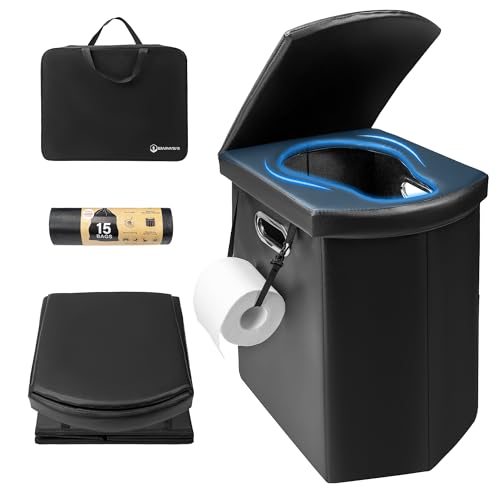
- ✓ Comfortable adult height
- ✓ Lightweight & foldable
- ✓ Supports up to 300 lbs
- ✕ Slightly bulky when folded
- ✕ Pricey for infrequent use
| Height | 17.5 inches (adult standard height) |
| Weight Capacity | Supports up to 300 lbs |
| Material | Sturdy plastic with soft padded surface |
| Foldable Design | Collapsible with storage pouch |
| Application Compatibility | Suitable for RVs, trucks, boats, camping, emergency use |
| User Compatibility | Fits adults, kids, toddlers |
Imagine you’re parked at a remote campsite, and nature calls just as the sun dips below the trees. You pull out this Brarvagur portable toilet, unfolding it with a satisfying snap.
It’s surprisingly tall—17.5 inches—matching regular bathroom height, so you don’t have to hunch over awkwardly.
The sturdy construction immediately catches your eye. It supports up to 300 pounds, and the soft, padded seat feels way more comfortable than a typical plastic bucket.
Plus, it feels stable on uneven ground, which is a lifesaver when camping on rocky or uneven terrain.
Folding it back up is a breeze, thanks to its clever collapsible design. It slips neatly into the included pouch, easily fitting under your bed or into your car trunk.
When you need it, it’s quick to set up—no fuss, no tools required.
This toilet isn’t just for camping; it’s perfect for emergencies or even on long road trips. It works well for all ages—kids and adults alike—and feels stable and safe to sit on, even in less-than-ideal conditions.
The wide application makes it a versatile addition to your outdoor gear.
Cleaning is simple, too. The waste bag system prevents leaks and odors, and wiping it down keeps things hygienic.
If space, comfort, and convenience matter during those seldom-needed moments, this toilet hits the mark.
Overall, it’s a practical, space-saving solution that offers comfort and peace of mind when you need an emergency or occasional use toilet in remote spots or at home.
True Toilet® Round Seat with Urinal & Splash Guard

- ✓ Splash-free design
- ✓ Easy installation
- ✓ Supports independence
- ✕ Higher price point
- ✕ Limited color options
| Material | Durable ABS plastic |
| Compatibility | Fits most standard toilet bowls |
| Adjustability | Funnel position adjustable for comfort and control |
| Hygiene Features | Splash-free guided-flow design with built-in splash guards |
| Installation | Easy to install without plumbing modifications |
| Intended Use | Designed for infrequently used or specialized bathroom environments |
The first time I installed the True Toilet® Round Seat with Urinal & Splash Guard, I immediately noticed how sturdy and well-made the unit felt. The durable ABS plastic gives it a solid heft without feeling heavy, and the adjustable funnel made positioning a breeze.
I was curious how well it would actually prevent splashes, so I tested it by aiming carefully—success! The guided-flow design directs urine into the bowl seamlessly, reducing mess and cleanup.
Using it for a quick bathroom visit, I appreciated how smooth the splash guard and pee guard worked together to contain everything. It’s surprisingly discreet, almost like it belongs on a regular toilet, but with a smart upgrade for hygiene.
The adjustable feature allowed me to find the perfect angle, which is helpful if you’re sharing the space or if mobility is an issue.
Installation was straightforward—no plumbing changes needed, just a few screws and the unit sat securely. I can see how this is especially useful in seldom-used bathrooms, where cleaning can often be neglected.
Plus, the easy-to-clean materials make maintenance simple, keeping the area fresh without much effort. Overall, it feels like a thoughtful solution for seniors, caregivers, or anyone looking to keep a bathroom tidy with minimal fuss.
While it performs well in controlling splashes and supporting independence, the price might be a bit steep for some. Still, considering its durability and versatility, it’s a practical upgrade for many homes or care facilities.
What Features Make a Toilet Ideal for Seldom Used Areas?
The best toilet for seldom used areas should have features that minimize maintenance and prevent issues associated with infrequent use.
- Low Water Consumption: Ideal toilets for seldom used areas often feature low water consumption, which helps in conserving water and reducing utility bills. Dual flush options allow users to choose between a lower flush for liquids and a higher flush for solids, making them efficient and environmentally friendly.
- Antimicrobial or Special Coatings: Toilets with antimicrobial surfaces or special coatings can prevent the growth of bacteria and mold, which is essential in areas that may not be frequently cleaned. These surfaces can help maintain hygiene and reduce unpleasant odors that might develop in a seldom-used bathroom.
- Self-Cleaning Features: Some modern toilets come equipped with self-cleaning technology, utilizing UV light or special cleaning solutions to keep the bowl clean. This feature is particularly beneficial for seldom-used toilets, as it minimizes the need for regular maintenance and ensures a fresh appearance.
- Compact Design: A compact toilet design can save space in smaller bathrooms, which is common in seldom used areas. These toilets can fit comfortably in tight spaces while still providing comfort and functionality, making them a practical choice.
- Reliable Flushing Mechanism: A robust flushing mechanism is essential to prevent clogs and ensure efficient waste removal, especially in toilets that are not regularly used. Gravity-flush or pressure-assisted systems are generally more reliable and can handle infrequent usage without issues.
- Easy Installation and Maintenance: Toilets designed for seldom used areas should be easy to install and maintain, reducing the need for frequent professional service. Features like straightforward components and compatibility with standard plumbing can save time and effort during setup and upkeep.
What Types of Toilets Are Suitable for Infrequent Use?
The best types of toilets for seldom used areas focus on efficiency, maintenance, and prevention of issues like clogs and odors.
- Composting Toilets: These are eco-friendly options that use aerobic decomposition to break down waste without water. They are particularly suitable for infrequent use as they do not require plumbing and can remain odor-free if maintained properly.
- Vacuum Toilets: Utilized often in marine and aviation applications, these toilets use suction to remove waste, making them ideal for areas where plumbing is limited or irregular. Their low water usage and ability to handle infrequent use without clogging make them a practical choice for seldom-used spaces.
- Low-Flow Toilets: These toilets are designed to use less water per flush, which can be advantageous in areas that are not frequently occupied, as they help to reduce water waste. They often feature efficient flushing mechanisms that prevent clogs, even with sporadic use.
- Portable Toilets: Commonly used in outdoor settings, portable toilets are easy to place and require no plumbing, making them suitable for infrequent use. They are designed to handle waste without the need for regular maintenance, although they do require periodic emptying.
- Pressure-Assisted Toilets: These toilets utilize a pressurized tank to enhance flushing power, which can be beneficial in preventing clogs in areas that see limited use. Their strong flushing action ensures that waste is effectively cleared, reducing the chance of build-up.
How Do Low-Flow Toilets Help in Rarely Used Spaces?
Low-flow toilets are particularly beneficial for seldom-used spaces due to their water efficiency and design features.
- Water Efficiency: Low-flow toilets use significantly less water per flush compared to traditional models, typically around 1.28 gallons per flush or less. This is advantageous in rarely used areas as it reduces water waste and can help lower utility bills, making them environmentally friendly and cost-effective.
- Reduced Maintenance: Since low-flow toilets help prevent clogs and other plumbing issues, they require less maintenance, which is ideal for infrequently visited spaces. This can save time and money on repairs, ensuring that the restroom remains functional with minimal oversight.
- Design Flexibility: Many low-flow toilets come in compact designs suitable for small or confined spaces, making them perfect for seldom-used areas such as guest bathrooms or powder rooms. Their modern aesthetic can also enhance the overall look of the space while conserving water.
- Increased Hygiene: Low-flow toilets often feature advanced flushing technology that ensures a thorough clean with each use. This is particularly important in areas that may not be used frequently, as it helps to minimize the buildup of waste and odors, promoting a more sanitary environment.
- Eco-Friendly Options: Many low-flow toilets are made from sustainable materials and designed to be eco-friendly, aligning with green building practices. Installing such toilets in seldom-used areas contributes to overall sustainability efforts without compromising functionality.
Why Are Pressure-Assisted Toilets Recommended for Infrequent Use?
This happens because pressure-assisted toilets use a pressurized air chamber to force water into the bowl, which minimizes the risk of clogs and ensures a more powerful flush, making them ideal for infrequently used areas.
According to the American Society of Sanitary Engineering, pressure-assisted toilets are less likely to develop issues associated with stagnant water, such as clogs and odors, compared to traditional gravity-flush toilets. The increased flushing power helps to clear waste efficiently, which is particularly beneficial in settings that do not experience regular usage.
The underlying mechanism involves the design of the toilet itself: the pressure tank creates a vacuum that draws water into the bowl more effectively than gravity alone. This means that when a pressure-assisted toilet is used infrequently, it is less likely to suffer from the buildup of waste or the growth of bacteria and mold due to standing water. This flush mechanism not only enhances performance but also contributes to better hygiene, making pressure-assisted toilets a suitable choice for seldom-used areas such as guest bathrooms or vacation homes.
What Benefits Do Self-Cleaning Toilets Offer for Seldom Used Areas?
Self-cleaning toilets provide several advantages for seldom used areas.
- Reduced Maintenance: Self-cleaning toilets significantly minimize the need for frequent manual cleaning. The built-in cleaning mechanisms help maintain hygiene, making them ideal for areas that may not be regularly attended.
- Odor Control: These toilets often feature advanced odor control systems that neutralize unpleasant smells. This is particularly beneficial in seldom used spaces where stagnant odors can develop, ensuring a more pleasant environment for sporadic use.
- Hygiene and Sanitation: Self-cleaning technology ensures that the toilet bowl is sanitized effectively after each use. This is crucial in seldom used areas, as it helps prevent the buildup of bacteria and germs that can thrive in infrequently cleaned environments.
- Water Efficiency: Many self-cleaning toilets are designed to use water more efficiently during the cleaning cycle. This can be a sustainable choice for areas with limited access to water or for those looking to reduce water consumption.
- Convenience: With automated functions, self-cleaning toilets offer a hassle-free experience. Users can enjoy the benefits of a clean toilet without the need for extensive manual cleaning, making them perfect for guest bathrooms or public restrooms that see occasional use.
What Common Problems Should Be Considered When Selecting a Toilet for Rarely Used Areas?
When selecting a toilet for seldom used areas, several common problems should be considered to ensure functionality and hygiene.
- Water Supply Issues: Rarely used toilets may experience water supply problems due to stagnant water or pipe issues, which can lead to clogs or leaks.
- Odor Control: Infrequently used toilets can develop unpleasant odors from stagnant water or waste, so it’s important to choose models with good sealing and ventilation features.
- Flushing Mechanism: Toilets in seldom used areas should have reliable flushing mechanisms to prevent waste buildup and ensure proper function even after long periods of inactivity.
- Maintenance Requirements: Consideration of the toilet’s maintenance needs is crucial; some models may require more frequent cleaning or servicing, which can be a hassle in areas that are not regularly accessed.
- Size and Space Constraints: Since seldom used areas may have limited space, selecting a compact design that fits comfortably while still providing good functionality is important.
Water supply issues can arise if the toilet is not used regularly, as water sitting in pipes can become stale and lead to clogs or leaks. It is advisable to check the plumbing and ensure that the water supply is consistent and reliable before installation.
Odor control becomes a significant concern in rarely used toilets, as standing water can lead to foul smells. Choosing a model with effective sealing and possibly an integrated ventilation system can help mitigate this issue and maintain a pleasant environment.
The flushing mechanism is essential for preventing waste accumulation; toilets with powerful and efficient flush systems can help clear waste effectively, reducing the risk of clogs and maintaining hygiene.
Maintenance requirements vary significantly between toilet models, and some may require more frequent cleaning due to design or material. Opting for a low-maintenance model can save time and effort in seldom accessed spaces.
Size and space constraints should be taken into account to ensure that the toilet fits well in the designated area without overwhelming it. Compact models or corner toilets can be excellent choices for maximizing space while still providing necessary functionality.
How Can Odor and Stagnation Be Prevented in Infrequent Use Toilets?
Preventing odor and stagnation in infrequently used toilets can be achieved through various methods and products designed specifically for this purpose.
- Toilet Sealants: These are specially formulated substances that create a barrier to prevent odors from escaping the plumbing system. They work by sealing the toilet bowl’s drain, ensuring that sewer gases cannot rise up and create unpleasant smells in the bathroom.
- Regular Maintenance Schedule: Setting a routine for flushing and cleaning the toilet can prevent stagnation. Flushing the toilet periodically helps ensure that water remains in the bowl and prevents the buildup of waste and bacteria, which can cause odors.
- Toilet Bowl Tablets: These tablets can be placed in the toilet tank or bowl, and they release cleaning agents and fragrances over time. They help to keep the toilet clean and fresh-smelling, combating both odor and staining caused by stagnant water.
- Use of a P-Trap: Installing a toilet with a properly functioning P-trap can help maintain a water seal that prevents sewer gases from entering the bathroom. This plumbing feature retains a small amount of water, which acts as a barrier against odors.
- Ventilation Solutions: Improving ventilation in the bathroom can significantly reduce odors. Installing an exhaust fan or ensuring windows are opened regularly can help circulate air and keep the bathroom smelling fresh, even when the toilet is not frequently used.
- Automatic Toilet Fresheners: These devices dispense a pleasant scent at regular intervals, masking any potential odors. They can be battery-operated or plugged in, providing a continuous fresh aroma that combats stagnation smells.
- Water-Saving Toilets: The best toilet for seldom used areas often includes water-saving features that minimize water usage but still maintain effective flushing. This ensures that waste is adequately removed, which can help prevent odors associated with stagnant water.
What Maintenance Tips Are Essential for Longevity in Toilets Used Occasionally?
Essential maintenance tips for toilets used occasionally include:
- Regular Flushing: Flushing the toilet at least once a week helps prevent the build-up of mineral deposits and keeps the seals moist, which can prevent leaks.
- Use Toilet Cleaner: Applying a toilet cleaner periodically can help combat stains and bacteria, ensuring that the toilet remains clean and hygienic for occasional use.
- Check for Leaks: Inspecting the toilet regularly for leaks around the base and the tank can help identify issues early, preventing water waste and damage to the surrounding area.
- Keep the Tank Dry: If the toilet is not going to be used for an extended period, consider emptying the tank to prevent stagnation and the growth of harmful bacteria.
- Install a Toilet Seal: Using a toilet seal can help maintain moisture in the trap and reduce odors, especially in seldom-used areas.
Regular Flushing: Flushing the toilet at least once a week helps prevent the build-up of mineral deposits and keeps the seals moist, which can prevent leaks. This simple action can also help maintain the toilet’s functionality by ensuring that the moving parts within the tank remain operational.
Use Toilet Cleaner: Applying a toilet cleaner periodically can help combat stains and bacteria, ensuring that the toilet remains clean and hygienic for occasional use. Select a cleaner that is safe for all plumbing types and follow the instructions to ensure effective results without damaging the toilet.
Check for Leaks: Inspecting the toilet regularly for leaks around the base and the tank can help identify issues early, preventing water waste and damage to the surrounding area. This proactive approach can save you from costly repairs and ensure the toilet remains in good working condition.
Keep the Tank Dry: If the toilet is not going to be used for an extended period, consider emptying the tank to prevent stagnation and the growth of harmful bacteria. This practice not only maintains hygiene but also helps prolong the lifespan of the toilet components.
Install a Toilet Seal: Using a toilet seal can help maintain moisture in the trap and reduce odors, especially in seldom-used areas. This added measure can prevent unpleasant smells from escaping into the surrounding area, making the space more inviting when it is used.
What Are the Top Recommended Brands and Models for Seldom Used Toilets?
The top recommended brands and models for seldom used toilets combine durability, water efficiency, and compact design.
- Toto CST454CUFG#01 Drake II: This two-piece toilet offers a powerful flushing system and is known for its reliability.
- Kohler K-3977-0 Wellworth: A classic design that features a wider trapway for efficient waste removal, making it a great choice for infrequent use.
- American Standard 2034.014.020 H2Option: This dual-flush toilet provides flexibility with water usage, allowing for a more eco-friendly option.
- Saniflo SaniCompact 48: A compact, macerating toilet that is perfect for tight spaces and areas with plumbing limitations.
- Gerber 21-201: Known for its robust construction and efficient flushing capabilities, this toilet is ideal for areas that aren’t frequently used.
The Toto CST454CUFG#01 Drake II features a modern design with a powerful Tornado Flush system that ensures cleanliness and minimizes clogs, making it particularly suitable for seldom-used bathrooms where reliability is key.
The Kohler K-3977-0 Wellworth stands out with its traditional style and efficient performance, using a 1.28 GPF flush that helps conserve water while maintaining effective waste removal, which is essential in sporadically used toilets.
The American Standard 2034.014.020 H2Option offers the convenience of a dual-flush system, allowing users to choose between a light flush for liquid waste and a full flush for solid waste, helping save water in low-traffic areas.
The Saniflo SaniCompact 48 is unique due to its macerating technology, making it ideal for installation in spaces where traditional plumbing is not feasible, such as basements or remote cabins.
Gerber 21-201 is built with durability in mind, featuring a high-efficiency flush and an easy-to-clean surface, which is particularly advantageous for toilets that may sit unused for longer periods.
Related Post: