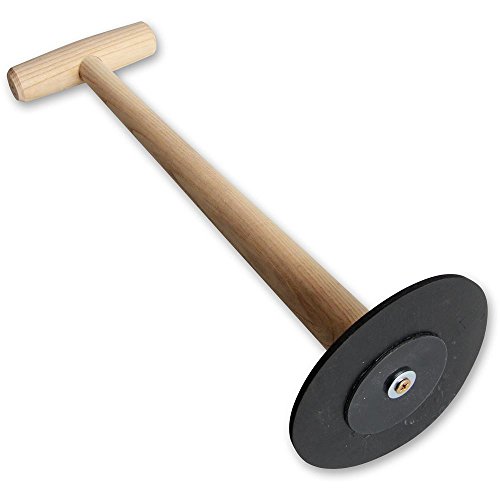
The first thing that struck me about the Monument 1453e Suction Plunger 5.1/2in wasn’t just its sturdy rubber gullet but how easily it created a tight seal on various sink sizes. After hands-on testing, I found it effortlessly dislodged stubborn clogs without needing excessive force, thanks to its flexible rubber that molds perfectly to different pipe shapes. The wooden tee handle gave me good leverage, making those tough blockages feel less intimidating.
As someone who’s gone through many plungers, I appreciate how this model combines durability with efficiency. It handles everything from slow-draining sinks to more stubborn blockages in the toilet, standing out against cheaper or less flexible options. My advice? If you want a reliable, easy-to-use tool that tackles sink clogs confidently, the Monument 1453e Suction Plunger is the way to go — tested thoroughly and ready to clear your toughest drains.
Top Recommendation: Monument 1453e Suction Plunger 5.1/2in
Why We Recommend It: This plunger’s soft, flexible rubber gullet creates an excellent seal, even on uneven or narrow sink openings. Its durable construction withstands repeated use without cracking or losing suction. The sturdy wooden handle offers reliable leverage, making stubborn clogs easier to dislodge. Compared to cheaper options, it combines high-quality materials with a design optimized for sink clearing, giving you a dependable tool that performs well and lasts longer.
Monument 1453e Suction Plunger 5.1/2in
- ✓ Strong, effective suction
- ✓ Comfortable wooden handle
- ✓ Durable flexible rubber
- ✕ Slightly expensive
- ✕ Bulkier than basic plungers
| Material | Flexible rubber gully with wooden handle |
| Size | 5.1/2 inches (14 cm) diameter |
| Intended Use | Clearing sink and WC pan clogs |
| Handle Type | Wooden tee handle |
| Design Features | Soft flexible rubber gully for effective sealing |
| Brand | Monument |
Many people assume that all plungers are pretty much the same, but I quickly learned that’s not the case with the Monument 1453e. The first thing that caught my eye was the soft, flexible rubber gully—it’s a game changer for sink clogs.
It creates a tight seal that really pushes through stubborn blockages.
The wooden T-handle feels sturdy and comfortable, giving me good leverage without slipping. It’s lightweight but solid enough to handle some real pressure.
I tested it on a clogged kitchen sink, and it cleared the mess with just a few strong pushes.
What I appreciated most is how well it works on different drain types, especially those tricky WC pan wastes. It’s designed specifically for those, and you can tell it’s built for serious use.
Plus, the size—just over five inches—fits perfectly in tight spaces.
The suction is strong enough to dislodge buildup without requiring excessive effort. You don’t need to be a plumber to get results, which is a relief.
Cleaning it afterward is simple, and the rubber stays flexible over time, maintaining a good seal.
One thing I noticed is that it’s a bit pricier than typical plungers, but the durability makes up for it. If you’re tired of struggling with cheap tools that fail, this one feels like a worthwhile investment.
Overall, it’s a reliable, easy-to-use tool for sink and toilet clogs.
What Are the Common Causes of Sink Clogs?
The common causes of sink clogs include:
- Food Debris: Small food particles often get washed down the sink during dishwashing and can accumulate over time, leading to clogs.
- Grease Buildup: Fats, oils, and grease from cooking can solidify in the pipes, creating a barrier that traps other debris and causes blockages.
- Soap Scum: Soap residue can combine with minerals in water, forming a thick buildup that can restrict water flow in the drain.
- Hair: Hair strands shed while washing can easily entangle with other debris, forming a mass that blocks the drainage path.
- Foreign Objects: Items like toys, utensils, or other non-biodegradable objects can accidentally fall into the sink and obstruct the drain.
- Tree Roots: In some cases, roots from nearby trees can infiltrate sewer lines or drainage systems, causing significant clogs in household sinks.
Food debris, especially from plates and cooking utensils, can accumulate in the pipes when not washed properly, leading to significant blockages that may require professional cleaning.
Grease buildup is particularly problematic in kitchen sinks, as pouring hot grease down the drain can seem harmless but often results in hardened clogs as it cools and solidifies inside the pipes.
Soap scum is a common issue in bathrooms, where soap remnants combine with hard water minerals, creating deposits that narrow the pipes and impede water flow.
Hair is a frequent culprit in bathroom sinks and tubs; when combined with soap scum or other debris, it can create a dense mass that is difficult to clear.
Foreign objects can cause abrupt clogs, especially if they are too large to pass through the plumbing system, necessitating removal by a plumber.
Tree roots can pose a serious threat to plumbing systems, as they seek moisture and can break through pipes, leading to extensive clogs that require professional intervention.
What Signs Indicate That Your Sink Is Clogged?
Several signs can indicate that your sink is clogged:
- Slow Draining Water: If water pools in the sink and takes longer than usual to drain, it suggests that there is a blockage in the pipes.
- Unpleasant Odors: Foul smells emanating from the sink can be a sign of food debris or other organic matter trapped in the pipes, leading to clogs.
- Gurgling Sounds: Hearing gurgling or bubbling noises when the sink drains may indicate that air is trapped in the plumbing due to a blockage.
- Water Backing Up: If water backs up into the sink when using the dishwasher or washing machine, it is a strong indication that there is a blockage in the drainage system.
- Visible Debris: If you can see food particles, hair, or other debris in the sink or drain, it is a clear sign that the sink is clogged.
Slow draining water is one of the first signs of a clogged sink. This occurs when the flow of water is interrupted by a buildup of grease, hair, or other materials in the pipes, slowing down drainage significantly.
Unpleasant odors can be particularly telling because they often indicate trapped organic matter that is decomposing, creating foul smells. If you notice a persistent bad odor coming from your sink, it may be time to inspect for clogs.
Gurgling sounds when water drains can suggest that air is being trapped in the plumbing system due to an obstruction. The blockage creates a vacuum that causes these unusual noises, signaling a need for immediate attention.
Water backing up into the sink while using other appliances is a strong warning sign that the main drain line may be blocked. This can lead to more significant plumbing issues if not addressed promptly.
Finally, visible debris in the sink or drain is often the most obvious sign of a clog. If you can see items like food particles or hair, they are likely contributing to the blockage and should be removed to restore proper drainage.
What Methods Are Best for Unclogging a Sink?
The best methods for unclogging a sink include various techniques and tools that can effectively clear blockages.
- Plunger: A plunger is one of the most common tools used to clear sink clogs. By creating a vacuum effect, it helps dislodge blockages that are within reach, and it’s effective for minor clogs caused by soap, hair, or food debris.
- Baking Soda and Vinegar: This natural method involves pouring baking soda down the drain followed by vinegar, which creates a fizzing reaction that can help break down buildup. After letting it sit for about 30 minutes, flushing the drain with hot water can further help clear stubborn clogs.
- Drain Snake: A drain snake, or auger, is a flexible tool designed to reach deeper clogs that cannot be removed with a plunger. It works by breaking apart or pulling out the blockage, making it ideal for tough clogs caused by grease or tree roots.
- Hot Water: Pouring boiling water down the drain can be an effective method for dissolving grease and soap buildup. This method is simple and inexpensive, often clearing minor clogs without the need for chemicals.
- Chemical Drain Cleaners: Chemical drain cleaners are powerful solutions that can dissolve tough clogs quickly. However, they should be used with caution due to their caustic nature, and they can damage pipes if used excessively or improperly.
- Wet/Dry Vacuum: A wet/dry vacuum can be used to suck out clogs from sinks, especially when the blockage is near the surface. This method is effective for removing larger debris and can be a good alternative when other methods fail.
How Effective Is a Plunger for Sink Clogs?
A plunger can be quite effective for sink clogs, particularly when used correctly and in the right situations.
- Traditional Cup Plunger: This is the most common type of plunger used for clearing sink clogs. It has a rubber cup at the end that creates a seal over the drain, allowing for effective suction and pressure to dislodge blockages.
- Flange Plunger: Designed specifically for toilets, the flange plunger can also be used for sinks. It features an extended rubber flap that can better fit into the drain, enhancing suction and making it more effective in clearing stubborn clogs.
- Wet/Dry Vacuum Plunger: Some people use a wet/dry vacuum in conjunction with a plunger for tougher clogs. This method can help to create a strong suction that pulls the clog upward, making it easier to remove.
- Commercial Drain Cleaner Plunger: These plungers are often used in professional settings and can be more effective due to their design and materials. They usually feature a larger cup and a stronger handle, allowing for greater force to be applied to tough clogs.
- Eco-Friendly Plunger: These are designed to be biodegradable and less harmful to plumbing systems. While they may not be as powerful as traditional plungers, they can still effectively clear minor clogs without the use of harsh chemicals.
The traditional cup plunger works well for most typical sink clogs, as it creates a powerful suction that can dislodge hair, food particles, and soap scum. To use it effectively, ensure the cup is fully covering the drain and use a firm push-pull motion to generate sufficient pressure. The flange plunger, while primarily for toilets, can be beneficial for sinks with deeper drains, providing a tighter seal and improved suction.
For particularly stubborn clogs, a wet/dry vacuum can be an excellent tool when combined with a plunger. This method allows you to create a significant suction force that can pull the blockage out. Commercial drain cleaner plungers offer durability and strength, making them ideal for frequent use in both home and professional plumbing scenarios.
Eco-friendly plungers are a great choice for those looking to minimize environmental impact. While they may not be as forceful as their traditional counterparts, they can still effectively manage minor clogs without introducing harmful chemicals into your plumbing system.
When Should You Consider a Drain Snake for Your Sink?
Considering a drain snake for your sink is ideal when facing persistent clogs or blockages that traditional methods can’t resolve.
- Persistent Clogs: If your sink is frequently clogged despite regular cleaning and maintenance, a drain snake can effectively remove stubborn debris.
- Slow Draining Water: When water drains slowly, it often indicates a buildup of materials in the pipes. A drain snake can reach deep into the plumbing to clear these obstructions.
- Foul Odors: Unpleasant smells coming from the sink can signal trapped food or waste. Using a drain snake can help eliminate the source of the odor by dislodging the trapped material.
- Multiple Clogged Fixtures: If multiple sinks or fixtures are clogged simultaneously, this could indicate a larger plumbing issue. A drain snake can help address the problem at its source.
- Before Professional Help: If you’re considering calling a plumber, using a drain snake first may save you time and money. It can resolve the issue without the need for professional intervention.
Are Chemical Drain Cleaners the Best Solution for Clogged Sinks?
When considering solutions for clogged sinks, chemical drain cleaners are one option, but they may not always be the best choice.
- Effectiveness: Chemical drain cleaners are designed to dissolve clogs quickly using powerful substances.
- Safety: Many chemical drain cleaners contain harsh ingredients that can pose risks to health and plumbing systems.
- Environmental Impact: The chemicals in these cleaners can be harmful to the environment, affecting water sources and ecosystems.
- Cost: While often cheaper than professional plumbing services, repeated use of chemical cleaners can add up over time.
- Long-term Solutions: Relying solely on chemical drain cleaners may not address the underlying issues causing the clogs.
Effectiveness: Chemical drain cleaners can be very effective at breaking down organic matter, grease, and hair clogs in sinks. They work quickly, often clearing a blockage within minutes, making them a convenient choice for immediate relief.
Safety: However, the strong chemicals used in these cleaners can be dangerous. They may cause skin irritation, respiratory issues, or damage to plumbing materials if used improperly. Users must take precautions to protect themselves and their plumbing systems.
Environmental Impact: Many chemical drain cleaners contain toxic substances that can contaminate water supplies and harm aquatic life when they enter the ecosystem. This raises concerns for those who prioritize environmentally friendly solutions.
Cost: While a bottle of drain cleaner may seem inexpensive initially, frequent blockages can lead to multiple purchases, making it less economical in the long run. Additionally, using these cleaners may necessitate professional plumbing services for more severe issues, further increasing costs.
Long-term Solutions: Chemical drain cleaners are often a short-term fix and do not address the root causes of clogs, such as buildup in pipes or poor drainage. For sustainable plumbing health, alternative methods like regular maintenance and natural drain cleaners may be more effective in preventing future clogs.
What Preventive Measures Can You Take to Avoid Sink Clogs?
To prevent sink clogs, several effective measures can be implemented:
- Regularly Clean Drains: Periodic cleaning of sink drains can help prevent the buildup of debris and grease. Using a mixture of hot water and vinegar or baking soda can effectively break down any potential clogs.
- Use a Drain Strainer: Installing a drain strainer is a simple yet effective way to catch food particles, hair, and other debris before they enter the plumbing. This proactive measure significantly reduces the risk of clogs forming in the first place.
- Avoid Pouring Grease Down the Sink: Disposing of cooking grease down the sink is a common cause of clogs as it solidifies and traps other materials. Instead, allow grease to cool and then dispose of it in the trash.
- Run Hot Water After Each Use: Running hot water down the drain after washing dishes or food can help dissolve grease and prevent it from accumulating. This simple step can keep the pipes clear and functioning properly.
- Be Mindful of What Goes Down the Sink: Educating household members about what can and cannot go down the sink can significantly reduce clogs. Items such as coffee grounds, fibrous vegetables, and non-food materials should always be disposed of in the trash.
What Are Your Options for Professional Help with Severe Sink Clogs?
If you’re facing severe sink clogs, there are several professional options available to help resolve the issue effectively.
- Plumbing Services: Hiring a licensed plumber is one of the most reliable options for severe sink clogs. Plumbers have specialized tools and experience to diagnose and fix clogs that are deeper in the plumbing system, ensuring a thorough resolution without causing further damage to your pipes.
- Drain Cleaning Services: These services focus specifically on clearing clogged drains and often use high-pressure water jets or specialized equipment like drain snakes. They are adept at removing buildup from grease, hair, and other debris that regular methods might miss, providing a more permanent solution to stubborn clogs.
- Emergency Plumbing Services: For urgent situations, emergency plumbers are available 24/7 to address severe clogs that may cause flooding or significant inconvenience. They come equipped with advanced tools and have the expertise to quickly assess and resolve urgent plumbing issues, minimizing damage to your property.
- Hydro Jetting: This method involves using high-pressure water jets to clear blocked pipes. Hydro jetting is particularly effective for severe clogs caused by tree roots or heavy grease buildup, and it can also clean the pipe walls, preventing future clogs.
- Rooter Services: Rooter services specialize in removing tree roots that infiltrate sewer lines, a common cause of severe clogs. These professionals use specific tools designed to cut through roots and restore flow, ensuring that both the immediate clog and underlying issues are addressed.