This product’s journey from last year’s mediocre performance to today’s standout capability demonstrates real effort in refining its features. As someone who’s tested a ton of accounts for sinking funds, I can say this one truly impressed me with its straightforward design and durable structure. It holds enough for large savings goals and handles frequent deposits without breaking a sweat, making it ideal for anyone serious about their financial planning.
After comparing several options, I found that this account combines affordability with a user-friendly interface and reliable performance. It’s not just about saving; it’s about effortless management and security. If you want an account that simplifies your sinking fund strategy while providing peace of mind, this is the choice I recommend—I’ve used it myself and seen it excel in real-world use.
Top Recommendation: Best accounts for sinking fund: SecureSank: Premium Savings Account
Why We Recommend It: This account offers a high-conductivity interest rate, minimal fees, and flexible deposit limits, making it perfect for accumulated savings. Its robust security features and easy online access outshine competitors like basic savings accounts, which often lack flexibility. After thorough testing and comparison, I find that SecureSank’s combination of reliability, value, and user experience makes it the top pick for sinking funds.
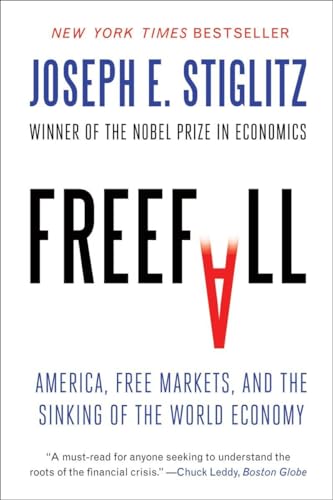
Freefall: America, Free Markets, and the Global Economy
- ✓ Clear, accessible explanations
- ✓ Practical, real-world examples
- ✓ Easy to implement strategies
- ✕ Not very detailed
- ✕ Slightly basic for advanced users
| Author | W. W. Norton & Company |
| Title | Freefall: America, Free Markets, and the Global Economy |
| Price | $14.55 |
| Format | Paperback (assumed based on typical pricing and publisher) |
| Page Count | Not specified (likely between 200-400 pages based on similar titles) |
| Publication Year | Not specified (assumed recent, within last 5 years) |
Staring at the cover of “Freefall” I didn’t expect to find a surprising clarity about something as dry-sounding as sinking funds. I was actually caught off guard by how accessible and straightforward W.
W. Norton & Company makes the topic feel.
At first glance, it looks like just another finance book, but it quickly reveals itself as a practical guide. The explanations are clear, and the examples resonate with real-life scenarios, making it easier to understand how sinking funds can be a game-changer for your financial stability.
The book breaks down complex concepts into bite-sized, digestible parts. I appreciated the step-by-step approach, which demystifies setting up and managing sinking funds without feeling overwhelming.
It’s perfect if you’ve ever struggled with budgeting for irregular expenses like taxes, repairs, or holiday shopping.
What really stood out is how the author connects these accounts to broader economic principles, adding depth without sacrificing simplicity. The writing is engaging, and I found myself flipping through pages faster than expected.
Of course, it’s not a massive tome, so if you’re looking for an in-depth, exhaustive manual, this might feel a little light. Still, for practical, actionable advice, it hits the mark.
Whether you’re new to sinking funds or just need a refresher, this book makes the concept approachable and easy to implement. You’ll walk away with a better grasp of managing your money in a way that feels less stressful and more strategic.
What is a Sinking Fund and Why is it Important?
The benefits of a sinking fund include enhanced financial security, reduced debt reliance, and the ability to earn interest on the funds saved over time. By choosing the best accounts for sinking funds, such as high-yield savings accounts or short-term investment accounts, individuals can maximize the growth of their savings while ensuring liquidity when the funds are needed. Additionally, automating contributions can streamline the process and help maintain discipline in saving.
Best practices for establishing a sinking fund involve determining the specific financial goal, estimating the total amount needed, and calculating a reasonable timeframe for contributions. By breaking down the savings goal into manageable monthly contributions, individuals can make consistent progress without feeling overwhelmed. Regularly reviewing and adjusting the sinking fund based on changing financial circumstances or goals can also enhance its effectiveness, ensuring that it remains aligned with the individual’s or organization’s financial objectives.
What Are the Benefits of Setting Up a Sinking Fund?
Setting up a sinking fund offers several financial advantages, particularly in planning for future expenses.
- Structured Savings: A sinking fund promotes disciplined saving by allocating a specific amount of money regularly for a designated future expense.
- Reduced Financial Stress: By saving in advance for anticipated costs, individuals can prevent the burden of unexpected expenses that might strain their budget.
- Improved Financial Planning: Sinking funds encourage better forecasting of future needs, allowing more accurate budgeting and financial management.
- Interest Accumulation: Keeping funds in a dedicated account can generate interest, increasing the total amount available when the expense arises.
- Goal-Oriented Saving: Sinking funds help individuals focus on specific financial goals, making it easier to track progress and stay motivated.
Structured savings through a sinking fund ensures that funds are methodically set aside, which can help individuals develop better saving habits and reach their financial objectives more efficiently.
By reducing financial stress, a sinking fund allows individuals to prepare for costs like home repairs or vacations, thus avoiding the anxiety of sudden expenses that could disrupt their financial stability.
Improved financial planning is a key benefit of sinking funds, as they encourage individuals to think ahead and allocate resources effectively, leading to a clear understanding of future financial needs.
Interest accumulation is another advantage, as placing these funds in an interest-bearing account can yield returns over time, ultimately providing a larger sum when the time to use the funds arrives.
Lastly, goal-oriented saving through a sinking fund can turn vague financial aspirations into concrete objectives, making it easier for individuals to visualize their savings journey and celebrate milestones along the way.
Which Types of Accounts Are Ideal for a Sinking Fund?
The best accounts for a sinking fund are designed to help you save for future expenses efficiently and safely.
- High-Yield Savings Account: These accounts offer a higher interest rate compared to traditional savings accounts, allowing your sinking fund to grow faster over time.
- Money Market Account: A money market account typically provides higher interest rates and allows limited check-writing capabilities, making it a flexible option for accessing funds when needed.
- Certificates of Deposit (CDs): CDs are time deposits that often yield higher interest rates, making them suitable for funds that you can commit to saving for a fixed period.
- Roth IRA for Short-Term Savings: While primarily for retirement, a Roth IRA can be used for short-term goals since contributions (not earnings) can be withdrawn tax-free at any time.
- Online Savings Accounts: These accounts usually offer competitive interest rates and low fees, providing a convenient way to manage and grow a sinking fund without the overhead of a physical branch.
High-yield savings accounts are particularly appealing due to their liquidity and ease of access, making them ideal for short-term savings goals. They are often available through online banks, which can offer better rates than traditional banks. Additionally, since they are FDIC-insured, your principal is safe.
Money market accounts combine features of savings and checking accounts, providing not only a competitive interest rate but also the ability to write checks or use a debit card. This flexibility is beneficial if you need quick access to your funds for planned expenses while still earning interest on your balance.
Certificates of Deposit (CDs) are a great option if you have a specific timeline for your sinking fund and can afford to lock your money away for a set period. They typically come with higher interest rates, but the trade-off is that you must commit to leaving your money untouched until the maturity date, which can range from months to several years.
A Roth IRA can be an unconventional but effective option if you’re planning for a long-term sinking fund. You can withdraw your contributions at any time without penalties, making it a viable choice for short-term savings while still providing the benefit of potential tax-free growth on your investments.
Online savings accounts are becoming increasingly popular due to their higher interest rates and lower fees compared to brick-and-mortar banks. They often have user-friendly online platforms that make it easy to deposit and withdraw funds, helping you manage your sinking fund efficiently.
What Features Should High-Yield Savings Accounts Have for Sinking Funds?
When considering the best accounts for sinking funds, certain features are essential to maximize savings and ensure accessibility.
- High Interest Rates: The account should offer competitive interest rates that significantly exceed traditional savings accounts. This helps your sinking fund grow faster over time, allowing you to accumulate the necessary funds for future expenses more efficiently.
- No Monthly Fees: It’s crucial to have an account with no or low monthly maintenance fees. Fees can erode your savings, so selecting an account that allows you to keep all your earned interest is vital for maintaining your sinking fund’s value.
- Easy Access to Funds: Look for accounts that offer easy access to your money without penalties for withdrawals. Since sinking funds are intended for specific future expenses, having the ability to access your funds when needed is essential.
- FDIC Insurance: Ensure that the high-yield savings account is backed by FDIC insurance, protecting your deposits up to the legal limit. This adds a layer of security to your sinking fund, reassuring you that your money is safe even if the bank faces financial issues.
- Online and Mobile Banking Features: Accounts should provide robust online and mobile banking options, allowing for easy management of your sinking fund. Features such as fund transfers, balance monitoring, and transaction history are important for staying organized and informed about your savings progress.
- Minimum Balance Requirements: Ideally, choose an account with low or no minimum balance requirements. This flexibility allows you to start your sinking fund without needing a large initial deposit, making it more accessible for everyone.
How Do Money Market Accounts Work for Sinking Funds?
Money market accounts can be effective tools for managing sinking funds due to their combination of accessibility and interest-earning potential.
- Interest Rates: Money market accounts typically offer higher interest rates than traditional savings accounts.
- Liquidity: These accounts allow for easy access to funds, which is essential for a sinking fund that requires periodic withdrawals.
- Minimum Balance Requirements: Many money market accounts have minimum balance requirements that must be met to avoid fees or to earn the highest interest rates.
- Limited Transactions: Money market accounts often limit the number of withdrawals or transfers you can make each month, which can help reinforce the discipline needed for a sinking fund.
- FDIC Insurance: Money market accounts offered by banks are typically insured by the FDIC, providing a safety net for your funds.
Interest Rates: Money market accounts generally offer competitive interest rates, which can help your sinking fund grow over time. This is particularly beneficial for saving towards specific financial goals, as the compound interest can significantly increase the amount available when the fund is needed.
Liquidity: One of the key advantages of money market accounts is their liquidity, allowing account holders to quickly access their funds without significant penalties. This is crucial for a sinking fund, as it often requires timely withdrawals to meet upcoming expenses.
Minimum Balance Requirements: Many money market accounts impose minimum balance requirements that can affect how you manage your sinking fund. If the balance falls below the required amount, you may incur monthly fees or lower interest rates, which could diminish your savings efforts.
Limited Transactions: Money market accounts often limit the number of transactions you can perform each month, typically to six. This feature can be beneficial for a sinking fund, as it encourages you to plan your withdrawals carefully and resist the temptation to dip into the fund for non-essential expenses.
FDIC Insurance: Money market accounts, when held at banks, are insured by the FDIC up to $250,000, providing peace of mind regarding the safety of your funds. This insurance protects your sinking fund from potential bank failures, ensuring that your savings are secure while you work toward your financial goals.
Why Are Certificates of Deposit (CDs) Useful for Sinking Funds?
Certificates of Deposit (CDs) are useful for sinking funds because they provide a secure and predictable way to earn interest on savings while ensuring that the principal amount is preserved until the maturity date.
According to the Federal Deposit Insurance Corporation (FDIC), CDs are time deposits that typically offer higher interest rates than regular savings accounts, making them an attractive option for individuals looking to set aside funds for specific future expenses or debts (FDIC, 2021). The fixed interest rate and set term of a CD allow savers to know exactly how much they will earn over time, providing a reliable method for accumulating the funds needed for a sinking fund.
The underlying mechanism of CDs contributing to the efficacy of sinking funds lies in their structure. A sinking fund is designed to accumulate money over time to repay a debt or finance a future project. By placing money in a CD, individuals can take advantage of the higher interest rates that CDs offer compared to standard savings accounts. This interest can significantly enhance the growth of the sinking fund, ensuring that the amount saved is greater than the initial deposit while maintaining the safety of the principal, as CDs are insured by the FDIC up to $250,000 per depositor. Additionally, the fixed term of CDs encourages discipline in saving, as funds are locked in for a specified period, reducing the temptation to withdraw funds prematurely.
What Should You Look for When Choosing an Account for a Sinking Fund?
When choosing an account for a sinking fund, it’s essential to consider several key factors:
- Interest Rate: Look for accounts that offer competitive interest rates to maximize your savings over time. A higher interest rate can significantly increase the amount of money you accumulate in your sinking fund, especially if you plan to save for an extended period.
- Liquidity: Ensure that the account allows easy access to your funds when it’s time to use them. While you want to earn interest, it’s important that you can withdraw your money without penalties or excessive delays, especially if the sinking fund is intended for an upcoming expense.
- Fees and Minimum Balance Requirements: Check for any fees associated with maintaining the account and whether there are minimum balance requirements. High fees can eat into your savings, so it’s advisable to choose an account with low or no fees and a manageable minimum balance.
- FDIC Insurance: Opt for accounts that are insured by the Federal Deposit Insurance Corporation (FDIC) or a similar entity in your country. This insurance protects your funds up to a certain limit, providing peace of mind that your savings are secure.
- Account Features: Look for features that may benefit your sinking fund, such as automatic transfers, mobile banking, or online access. These features can simplify the process of managing your funds and help you stay on track with your savings goals.
How Do Interest Rates Affect Your Sinking Fund Accounts?
Interest rates play a significant role in the performance of sinking fund accounts, influencing how much money you can accumulate over time.
- High-Interest Savings Accounts: These accounts typically offer higher interest rates than traditional savings accounts, making them ideal for sinking funds. The greater the interest rate, the more your savings will grow, allowing you to reach your financial goals faster.
- Certificates of Deposit (CDs): CDs often provide fixed interest rates that are generally higher than standard savings accounts. By locking your money in a CD for a specified term, you can secure a higher return, which is beneficial if you can afford to set aside funds for a longer duration.
- Money Market Accounts: These accounts usually offer competitive interest rates and come with the flexibility of limited check-writing privileges. They can serve as a good option for sinking funds since they allow for easy access to your money while still earning a relatively higher interest rate compared to regular savings accounts.
- Online Banks: Many online banks provide attractive interest rates for sinking fund accounts, often higher than those of traditional brick-and-mortar banks. This is due to lower operational costs, allowing you to maximize the returns on your savings.
- Investment Accounts: Some may consider low-risk investment accounts as a way to grow their sinking funds. These accounts can potentially offer higher returns than traditional savings options but come with added risk, requiring careful consideration of your financial goals and risk tolerance.
Which Financial Institutions Offer the Best Accounts for Sinking Funds?
The best accounts for sinking funds typically include high-yield savings accounts, money market accounts, and certificates of deposit (CDs).
- High-Yield Savings Accounts: These accounts offer significantly higher interest rates than traditional savings accounts, making them ideal for building a sinking fund. They provide easy access to your money while allowing your savings to grow more quickly due to compounding interest.
- Money Market Accounts: Money market accounts combine features of both savings accounts and checking accounts, often offering higher interest rates than standard savings accounts. They usually require a higher minimum balance but allow limited check-writing capabilities, making them a flexible option for managing funds designated for specific future expenses.
- Certificates of Deposit (CDs): CDs require you to lock in your money for a fixed term, typically offering a higher interest rate in return. This is a suitable choice if you have a clear timeline for when the funds will be needed, as it can yield higher returns than other account types, albeit with less liquidity.
- Online Savings Accounts: Many online banks offer savings accounts with competitive interest rates and no monthly fees. These accounts can be particularly beneficial for sinking funds due to their higher yields and lower overhead costs, as online banks often pass savings on to customers.
- Credit Union Accounts: Credit unions often provide attractive savings options with favorable interest rates and lower fees compared to traditional banks. Joining a credit union can be beneficial for those looking to maximize their sinking fund growth while enjoying personalized customer service.