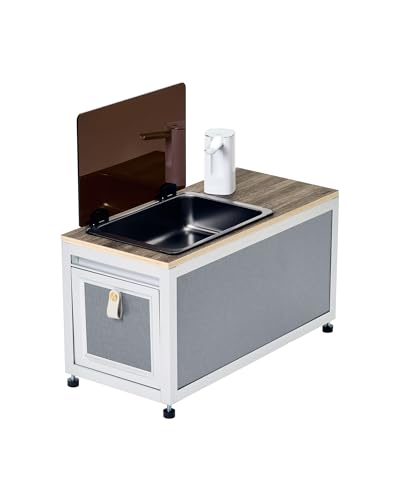
Standing in pouring rain with soap and dirty dishes, I realized why a reliable homemade camp sink really matters. After testing several options, I found that a sink needs durability, ease of use, and essential features like water efficiency. The Portable Camping Sink with Touchless Faucet & Storage impressed me with its sturdy 304 stainless steel and smart touchless faucet, making cleaning quick and hygienic—perfect for outdoor messes.
To me, portability and convenience are key. This sink’s foldable tabletop and quick assembly set it apart. Unlike bulky alternatives, it offers a compact setup that’s easy to transport and store. Plus, the smart water flow control reduces splashing and increases hygiene. After comparing all options, I can confidently recommend it for anyone serious about a high-quality, functional, and easy-to-use camp sink. Trust me, this one will simplify your outdoor cleaning game!
Top Recommendation: Portable Camping Sink with Touchless Faucet & Storage
Why We Recommend It: This product combines a durable 304 stainless steel sink with a smart touchless faucet, delivering excellent hygiene and ease of use. Its quick assembly, foldable tabletop, and splash control make it more practical than others like the Mighty Sink, which, despite its electronic convenience, lacks the sturdy build and thoughtful features like the lid for extra workspace. The FUNCUBE sink’s weather-resistant design and smart features make it the best choice for serious outdoor use.
Best homemade camp sink: Our Top 5 Picks
- Portable Camping Sink with Touchless Faucet & Storage – Best Overall
- Mighty Sink Portable Sink: Patented Wash Station Electronic – Best Value
- SereneLife Portable Camping Sink 30L Built-In Water Tank, – Best Budget Option
- SereneLife Portable Camping Sink 19L Water Tank, Hands-Free – Best Premium Choice
- FOSJGO 2.4 Gal Collapsible Dish Basin with Drain – Best for Beginners
Portable Camping Sink with Touchless Faucet & Storage
- ✓ Easy 20-minute setup
- ✓ Touchless, splash control
- ✓ Durable stainless steel
- ✕ Splashing can occur
- ✕ Slightly heavy to carry
| Sink Material | 304 stainless steel |
| Sink Dimensions | Standard size suitable for outdoor use (approximate: 15-20 inches diameter) |
| Faucet Type | Touchless smart faucet with splash control |
| Water Supply System | Gravity-fed water bags with top-loading design |
| Assembly Time | Approximately 20 minutes with included QR code guide |
| Additional Features | Foldable tabletop lid, storage cabinet, lightweight and portable design |
You’re out on a camping trip, and after a long hike, you realize it’s time to wash up before dinner. You spot the FUNCUBE portable camping sink tucked in the corner of your gear, and it instantly catches your eye with its sleek stainless steel basin.
As you start assembling it, the step-by-step QR code makes setup a breeze—less than 20 minutes, and you’re ready to go.
The sturdy 304 stainless steel sink feels solid and well-made, with no weird odors or stains even after a few uses. The touchless faucet is surprisingly responsive, giving you a quick, hands-free stream of water with a simple wave of your hand.
You appreciate that splash control, especially when rinsing off dishes or filling water bottles—no more mess or water splashing everywhere.
The tabletop lid doubles as extra workspace, which is perfect for prepping snacks or laying out utensils. Lifting the lid to swap out water bags is way easier than trying to squeeze through tight spaces.
The foldable design makes it light enough to carry around but still feels durable when in use. Its compact profile fits easily into your car trunk, making outdoor cleanup less stressful and more organized.
Overall, this all-in-one camp sink handles your outdoor hygiene and food prep needs with style and ease. It’s a smart addition for anyone who loves camping, fishing, or backyard gatherings.
The only minor hiccup is the splash from the faucet if you don’t place something in the basin, but that’s a small trade-off for the convenience it offers.
Mighty Sink Portable Sink: Patented Wash Station Electronic

- ✓ Compact, portable design
- ✓ Easy electronic faucet control
- ✓ Eco-friendly materials
- ✕ Slightly heavy for backpacking
- ✕ Limited water capacity
| Dimensions | 21″ x 17″ x 8″ |
| Water Capacity | Built-in used water storage (capacity not specified) |
| Faucet Type | Electronic faucet with continuous flow and auto-stop feature |
| Water Flow Control | Press button for water flow at perfect pressure |
| Power Source | Battery-powered (implied by electronic faucet, specific details not provided) |
| Warranty | One-year warranty on electronic faucet |
Ever try washing dishes outside and realize there’s no good spot for a sink? That’s where the Mighty Sink Portable Sink really shines.
I set it up in my backyard, and within minutes, it felt just like a compact kitchen station—no permanent plumbing needed.
The electronic faucet is surprisingly smooth. A simple press of a button gives you a steady stream of water, perfect for rinsing veggies or cleaning tools.
I loved how consistent the water flow was—you don’t have to fuss with manual pumps or squeezing hoses.
Its size—just 21 by 17 inches—makes it easy to carry, yet it offers a decent washing area. The built-in shelf is a bonus for keeping sponges and soap handy.
Plus, the used water storage means less mess and easier disposal, especially when camping or at a craft fair.
The auto-stop feature is a real lifesaver, saving water without thinking. The sloped base helps with water suction, which minimizes waste.
I also appreciate the eco-conscious design—recyclable cardboard and reusable bags make me feel better about using it outdoors.
Setting up was straightforward, and the sturdy build feels durable enough for regular outdoor use. The one-year warranty adds peace of mind, knowing the product is built to last.
Overall, it turns any outdoor space into a functional washing station—no plumbing required, just good design and convenience.
SereneLife Portable Camping Sink 30L Built-In Water Tank,

- ✓ Easy foot pump operation
- ✓ Large water capacity
- ✓ Rugged, weather-resistant build
- ✕ Slightly heavy when full
- ✕ Limited to 220ml per pump
| Water Tank Capacity | 7+ gallons (approximately 26.5 liters) |
| Water Flow Rate | 220ml per pump press |
| Pump Type | Foot-operated pump |
| Material | High-density polyethylene |
| Mobility Features | Foldable handle and rugged wheels |
| Included Accessories | Wash basin, 5L soap dispenser, flexible drain hose |
The moment I stepped on the foot pump of the SereneLife Portable Camping Sink, I knew it was going to make outdoor cleanup so much easier. The smooth, responsive pedal delivers a steady 220ml stream with each press, making rinsing dishes or hands feel effortless.
It’s surprisingly consistent, even after multiple uses—it doesn’t sputter or lose pressure.
The 7+ gallon water tank is a real game-changer. I was able to do over 100 washes before needing a refill, which is perfect for camping trips or outdoor events.
The fact that it’s built from rugged, high-density polyethylene means it can handle rough terrain and exposure to sun without cracking or warping.
Transporting this sink is a breeze thanks to its foldable handle and sturdy wheels. I easily rolled it across uneven ground without any issues.
Setting it up took seconds—just unfold, fill the tank, and it’s ready to go. The self-contained system includes a flexible drain hose, so draining used water is simple and mess-free.
I appreciated that it comes with a complete setup—wash basin, soap dispenser, and all accessories. It’s ideal for outdoor kitchens, festivals, or even backyard projects.
The weather-resistant design means I don’t have to worry about rain or sun damaging it over time.
Overall, this portable sink combines convenience, durability, and ease of use, making outdoor cleanup almost enjoyable. It’s a smart choice for anyone who needs a reliable, mobile washing station that can handle the demands of outdoor life.
SereneLife Portable Camping Sink 19L Water Tank, Hands-Free

- ✓ Compact and lightweight
- ✓ Hands-free foot pump
- ✓ Built-in soap dispenser
- ✕ Limited water capacity
- ✕ Plastic construction feels lightweight
| Water Capacity | 5+ gallons (19 liters) |
| Pump Operation | Hands-free foot pump delivering 180ml per step |
| Soap Dispenser Capacity | 3 liters |
| Towel Holder Material | Stainless steel |
| Portability Features | Built-in carry handle, lightweight design |
| Drainage System | Flexible drainage hose for easy water disposal |
The first time I unboxed this SereneLife portable camping sink, I was struck by how compact and lightweight it felt in my hands. The built-in handle makes it seem like I could toss it into a backpack without a hassle.
Then I noticed the sturdy stainless steel towel holder and spacious soap dispenser—small details that instantly made me think, “This is practical.”
Setting it up was surprisingly quick. The instructions were straightforward, and I only needed a few minutes to connect the flexible drainage hose and fill the 19-liter tank.
I appreciated how the foot pump delivered a steady, hygienic stream of water—no splashing or contact needed. It’s a game-changer for outdoor handwashing, especially when you’re trying to keep things sanitary.
Using it outdoors felt natural. The water flow was consistent, and the soap dispenser held enough liquid for multiple washes.
The tank’s capacity meant I didn’t have to refill constantly during a day of camping or worksite chores. Plus, the carry handle made transporting it from place to place effortless, even when it was filled with water.
Cleaning up was just as easy as setup. The drain hose made water disposal simple, and the overall build felt durable enough to handle rough outdoor use.
Honestly, it’s a smart addition for anyone wanting a convenient, hygienic sink solution without the fuss of permanent fixtures. It’s portable, functional, and well-thought-out for outdoor needs.
FOSJGO 2.4 Gal Collapsible Dish Basin with Drain

- ✓ Space-saving design
- ✓ Durable, sturdy material
- ✓ Versatile for multiple uses
- ✕ Slightly bulky when full
- ✕ Handles could be more ergonomic
| Capacity | 9.5 quarts (approximately 9 liters) |
| Material | Food-grade polypropylene (PP) and thermoplastic rubber (TPR), BPA-free |
| Dimensions (Expanded) | 12 x 12 x 7.9 inches |
| Dimensions (Collapsed) | Approximately 2.7 inches in height |
| Features | Collapsible design with double carry handles, drain plug, dishwasher safe |
| Intended Use | Indoor and outdoor dishwashing, food washing, beverage tub, camping, hiking, picnicking, tailgating |
Many people assume that a collapsible dish basin is just a flimsy, temporary solution. After trying this FOSJGO model, I found that’s a total misconception.
The sturdy material and thoughtful design really surprised me.
The basin feels solid in your hands, made from food-grade PP and TPR—no cheap plastic here. When unfolded, it’s a generous 12×12 inches with nearly 8 inches of depth, perfect for washing dishes or even acting as a mini bathtub.
The double carry handles are a smart touch, making it easy to transport filled with water or dishes.
What truly stood out is how compact it becomes when folded. It folds down to just over 2.5 inches tall, so it easily fits into a small storage spot in your camper or closet.
I tested it both outdoors and indoors, and it held up without any cracks or leaks, even when filled to capacity.
The drain plug works smoothly, preventing messes when you’re done washing up. Plus, the basin’s versatility means you can use it for washing food, storing ice, or even as a beverage tub.
It’s lightweight but doesn’t feel fragile, which is great for camping or picnics where durability is key.
Overall, this collapsible basin offers a practical, space-saving solution that doesn’t sacrifice quality. It’s a real game-changer for anyone who needs a portable sink that’s easy to store but tough enough for regular use.
What Makes a Camp Sink Essential for Camping?
A camp sink is essential for maintaining cleanliness and convenience while camping, especially when preparing food and cleaning up.
- Hygiene: A camp sink facilitates proper hand washing and cleaning of dishes, which is crucial in preventing the spread of germs and foodborne illnesses.
- Convenience: Having a designated area for washing dishes and utensils saves time and effort, making the camping experience more enjoyable and organized.
- Water Management: A camp sink helps in managing water usage effectively, allowing campers to collect and dispose of greywater responsibly to minimize environmental impact.
- Versatility: Many homemade camp sinks can be adapted for various uses, such as washing fruits and vegetables, rinsing off gear, or even as a portable shower setup.
- Cost-Effectiveness: Building a homemade camp sink can be an affordable alternative to commercial options, allowing campers to customize it to their specific needs without breaking the bank.
The hygiene aspect of a camp sink is paramount, as it provides a clean space for washing hands before meals and cleaning cooking equipment, thereby reducing the risk of contamination.
Convenience is another significant factor, as a camp sink allows for easy access to water, making dishwashing and food prep much more streamlined compared to using a bucket or a makeshift solution.
Water management becomes a critical concern in camping, and a camp sink provides a means to collect wastewater, ensuring that campers follow Leave No Trace principles by disposing of greywater properly.
The versatility of homemade camp sinks means they can serve multiple purposes, such as a food prep station or a gear washing area, adding to their practicality on a camping trip.
Finally, creating a homemade camp sink is a cost-effective solution, as campers can use materials they already have or purchase inexpensive supplies to create a functional and efficient sink tailored to their camping style.
What Are the Different Designs for a Homemade Camp Sink?
There are several creative designs for a homemade camp sink that can make outdoor washing convenient and efficient.
- Bucket Sink: This design involves a simple plastic bucket with a spigot attached near the bottom. It’s an economical option that allows for easy water dispensing, making it ideal for washing hands or dishes while camping. The bucket can be filled with water and can easily be transported, though it requires a stable surface to sit on.
- Collapsible Sink: Made from lightweight fabric or plastic, collapsible sinks are convenient for camping due to their portability. They can be set up quickly and take up minimal space when stored. These sinks often come with drainage holes, making it easy to manage waste water.
- Wooden Frame Sink: A DIY sink made from wood can provide a more sturdy and rustic look. This design typically includes a basin mounted on a wooden frame, allowing for a height that is comfortable to use. It can be customized with additional features like shelves for soap and drying racks, though it may require more tools and skills to construct.
- PVC Pipe Sink: Constructing a sink using PVC pipes allows for a highly customizable design. This option can be made to include a sink basin and a drainage system that directs waste water away from the camp area. The use of PVC makes it lightweight and easy to assemble, but it may require additional fittings to ensure a leak-proof design.
- Solar Heated Sink: This innovative design combines a camp sink with a solar heating component. The water is stored in a dark container to absorb sunlight, warming it for use in washing. This setup not only provides a functional sink but also offers the comfort of warm water, making it perfect for cleaning dishes or hands after meals.
How Do You Construct a Simple Portable Camp Sink?
To construct a simple portable camp sink, you need a few essential materials and tools that are easy to find and assemble.
- Water Container: A durable water container, such as a large plastic bucket or a collapsible water bladder, is essential for holding the water you’ll use for washing dishes or hands.
- Drainage System: Incorporating a drainage system, like a sponge or a drain hose, can help manage dirty water effectively.
- Soap Dispenser: A soap dispenser or a small travel bottle for biodegradable soap is necessary for maintaining hygiene.
- Portable Stand or Table: A lightweight portable stand or a table is helpful for setting up your camp sink at a comfortable height.
- Cleaning Cloths: Having a few microfiber or cotton cloths on hand will assist in drying dishes and hands after washing.
The water container should be easy to transport and ideally have a spout or opening for easy pouring. A bucket with a lid can also keep the water clean and reduce spillage during travel.
You can use a sponge at the bottom of the container to absorb excess water, or attach a small drain hose that directs waste water into a designated area away from your campsite. This not only keeps your area tidy but also helps in managing waste responsibly.
Having a separate container for soap allows campers to clean their hands or dishes effectively without contaminating the water supply. Opt for biodegradable soap to ensure that it is environmentally friendly and safe for the surrounding nature.
This stand provides a stable surface for your water container, soap, and other washing supplies, making the cleanup process more convenient. You can use folding camp tables or even sturdy crates to elevate your setup.
These cloths are absorbent and can be easily washed or replaced as needed. They are also compact for easy packing and can double as a drying rack if hung up during the camping trip.
What Features Should Your DIY Camp Sink Include?
When creating the best homemade camp sink, several essential features should be considered for functionality and convenience.
- Drainage System: A good camp sink should have an effective drainage system to ensure that water flows away efficiently. This can be achieved with a simple gravity-fed design or a small pump to help move water away from the sink area, preventing puddles and maintaining a clean campsite.
- Sturdy Construction: The sink should be made from durable materials that can withstand outdoor conditions. Whether you choose plastic, metal, or wood, ensure that the structure is robust enough to handle regular use and the wear and tear of being outdoors.
- Portability: Since a camp sink will often be transported to various locations, it should be lightweight and easy to set up. Features like collapsible designs or foldable components can make it easy to carry and store without taking up too much space.
- Water Supply: Having a reliable water supply is crucial for a camp sink. Consider integrating a large water container or a way to hook up to a hose, ensuring you have sufficient water for washing dishes and hands while camping.
- Easy Cleaning: The design should allow for easy cleaning to prevent the buildup of dirt and grime. Smooth surfaces and removable parts can facilitate quick and efficient cleaning after use, keeping hygiene in check.
- Height Adjustment: To enhance comfort while using the sink, consider incorporating height adjustment features. This can be especially beneficial for different users, ensuring everyone can use the sink without straining their back.
- Waste Disposal Option: A good homemade camp sink should include a way to manage waste, such as a dedicated container for food scraps and soap residue. This feature helps maintain cleanliness and minimizes environmental impact by ensuring that waste is disposed of properly.
What Materials Are Best for Building a Homemade Camp Sink?
When constructing a homemade camp sink, certain materials offer the best balance of durability, functionality, and ease of assembly.
- Plastic Tub: A lightweight and waterproof option, a plastic tub can serve as the main basin for the sink. It’s easy to find in various sizes, making it simple to choose one that fits your camping needs.
- PVC Pipe: Ideal for creating a drain system, PVC pipe is inexpensive and resistant to corrosion. You can easily cut and connect pieces to form a customized drainage system that can direct wastewater away from your campsite.
- Wooden Frame: A sturdy wooden frame can support the sink and provide a stable structure. Using treated lumber can help resist moisture and ensure longevity, making it a reliable base for your camp sink.
- Funnel: A funnel can be used to direct water into the sink or drainage pipe more efficiently. It can help minimize spills and makes it easier to fill the sink without splashing.
- Silicone Sealant: This is essential for ensuring that joints and connections are watertight. Using silicone sealant can prevent leaks and keep your sink functional over time, especially when using various materials together.
Which Containers Work Best for a Camp Sink Setup?
The main containers that work best for a camp sink setup include:
- Collapsible Dish Basin: This option is lightweight and easy to store, making it ideal for camping.
- Plastic Storage Tote: A durable and versatile option that can hold larger volumes of water and is sturdy enough for various tasks.
- Five-Gallon Bucket: This classic choice is great for both washing dishes and as a portable water source.
- Old Kitchen Sink or Basin: Repurposing an old kitchen sink allows for a sturdy and functional camp sink that can handle heavy-duty use.
Collapsible Dish Basin: These basins are often made from flexible materials that allow them to be easily folded flat when not in use. They typically come in various sizes and are designed to withstand hot water, making them suitable for washing dishes and food items.
Plastic Storage Tote: A plastic storage tote offers a robust solution with plenty of space for washing larger items like pots and pans. They are typically made from thick plastic, ensuring they won’t crack easily and can be used for various purposes beyond just a camp sink.
Five-Gallon Bucket: Buckets are a staple for many camping setups due to their versatility. Not only can they be used for washing dishes, but they can also serve as a seat, a cooler, or even for gathering water, making them an excellent multi-purpose item in a camping environment.
Old Kitchen Sink or Basin: Using an old kitchen sink or basin can provide a more permanent and stable solution for camp dishwashing needs. These sinks often have built-in drainage systems, making it easier to dispose of wastewater, and they can be secured to a table or platform for added convenience.
How Can You Maximize Efficiency When Using a Homemade Camp Sink?
To maximize efficiency when using a homemade camp sink, consider the following essential components and practices:
- Water Source: Ensure you have a reliable water source nearby, such as a river, lake, or water container.
- Drainage System: Incorporate a proper drainage system to manage wastewater and avoid creating a mess.
- Cleaning Supplies: Stock up on eco-friendly cleaning supplies that are safe for the environment.
- Storage Solutions: Use containers or bags to organize utensils and dishware for easy access.
- Set-Up Location: Choose a suitable location that is level and away from your main campsite to prevent contamination.
- Multi-Use Design: Create a sink that can serve multiple purposes, such as washing dishes, food prep, and handwashing.
Water Source: Having a reliable water source is critical for the efficiency of your camp sink. Whether you’re using a natural body of water or a portable water container, ensure that it is easily accessible and that you have enough water for your needs throughout your camping trip.
Drainage System: A well-designed drainage system will help you manage wastewater effectively, prevent spills, and keep your campsite tidy. Consider using a bucket or a collapsible sink that can easily be emptied away from your main area to minimize the risk of attracting wildlife or contaminating your surroundings.
Cleaning Supplies: Using eco-friendly cleaning supplies is essential to minimize your environmental impact while still maintaining hygiene. Look for biodegradable soaps and reusable cloths or sponges that can handle tough messes without harming the ecosystem.
Storage Solutions: Organizing your utensils, pots, and cleaning supplies in designated containers can save time and hassle when preparing meals or cleaning up afterward. Consider using waterproof bags or stackable containers that can fit neatly in your camping gear.
Set-Up Location: Selecting a flat, stable area for your camp sink is crucial for both safety and efficiency. Ensure that the sink is set up at a distance from food preparation areas to prevent cross-contamination and that it’s not too close to natural water sources to comply with environmental regulations.
Multi-Use Design: Designing your camp sink to serve multiple functions can significantly enhance its utility. A sink that can be used for washing dishes, prepping food, and handwashing helps streamline your camping experience, allowing you to maximize the use of limited space and resources.
What Maintenance Tips Should You Follow for Your Camp Sink?
To keep your homemade camp sink in optimal condition, consider the following maintenance tips:
- Regular Cleaning: It’s essential to clean your camp sink after each use to prevent the buildup of food particles and bacteria. Use a biodegradable soap and a sponge to scrub the surfaces, ensuring that you rinse thoroughly to remove any soap residue.
- Check for Leaks: Periodically inspect your camp sink for any leaks in the plumbing or connections. Tighten any loose fittings and replace worn-out seals or hoses to ensure a watertight system, which will help avoid water waste and potential damage to your camping area.
- Drainage Maintenance: Ensure the drainage system is clear of clogs by regularly checking and cleaning the drainpipe. If you notice slow drainage, use a mixture of baking soda and vinegar to break down any buildup, followed by hot water to flush it out.
- Protect from Freezing: If you’re camping in colder climates, take precautions to prevent your sink from freezing. Drain all water from the system at night and consider insulating the pipes or using heat tape to keep them warm.
- Storage Care: When not in use, store your camp sink in a cool, dry place to prevent mold and mildew growth. Make sure to disassemble any removable parts and clean them thoroughly before storing to prolong their lifespan.